How to Respond When Your Child Sees Spirits
What should you do when your child says they've seen a spirit?
Most parents' first instinct is one of two things: reassure the child that nothing is there, or immediately try to figure out what's happening. Both instincts are understandable, and neither one is usually the right starting point.
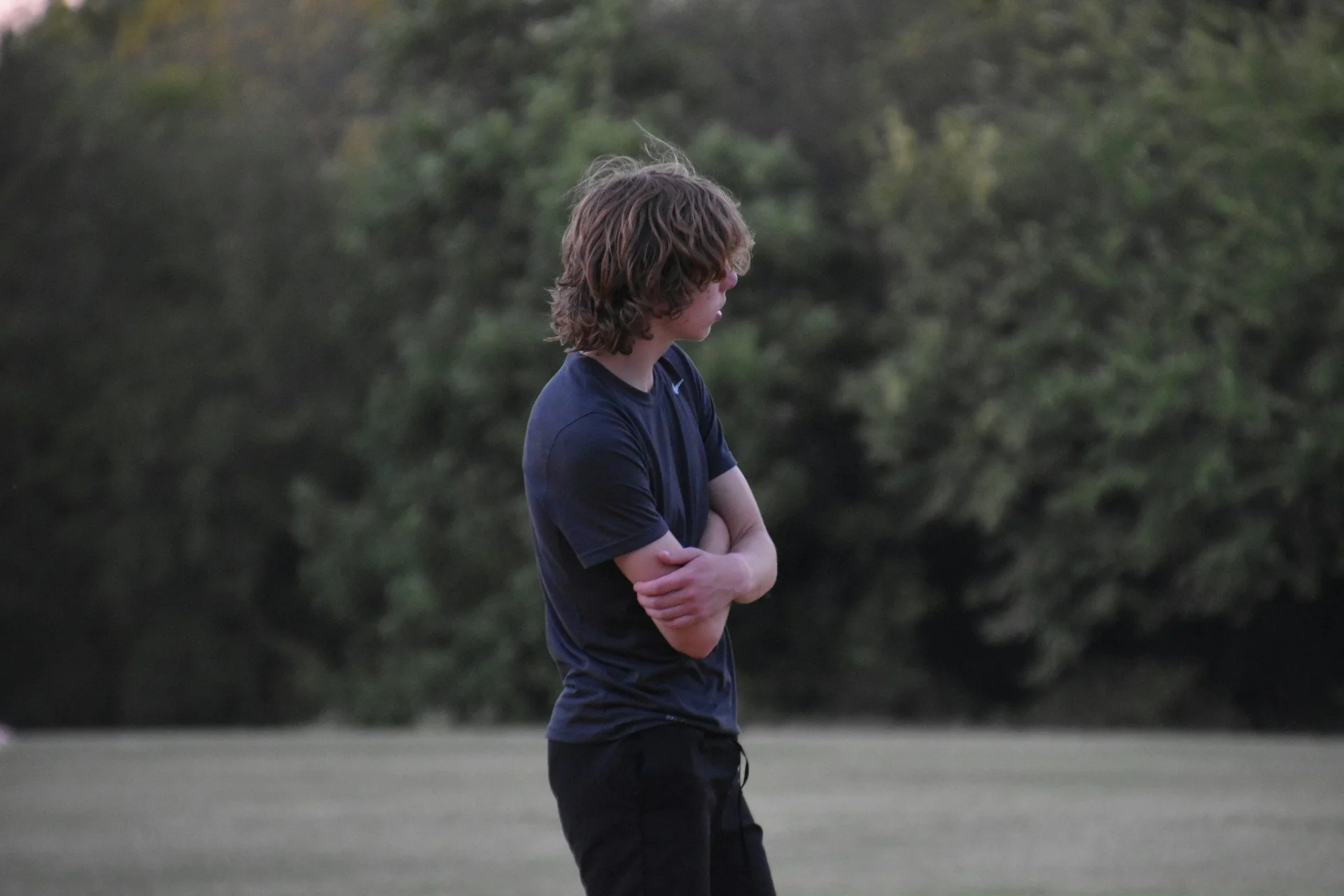
When a child reports seeing a spirit, the first goal isn’t deciding what happened. It’s helping the child feel safe, heard, and supported while understanding the experience together.
What We Did Wrong First
For a long time before we had any framework, our default response to our daughter's fears was some version of "there's nothing there." Check the closet. Explain the noise. Tell her nothing is tapping on the window and her fear is just in her head, and send her back to bed.
The problem is that this is completely normal parenting, and sometimes it's even the right call… until it's not. The risk is teaching your child to distrust their own experiences. When a child is genuinely perceiving something — even if you can't perceive it yourself — telling them it isn't real teaches them something you probably don't intend: that their experiences can't be trusted, and that coming to you with them isn't safe. We did this without realizing it, right up until we encountered evidence we couldn't explain away, and by then we had some repairing to do.
The other thing we tried, which also didn't work, was telling her to be brave. It felt like encouragement. It wasn't. Telling a child to "be brave" and then sending them back to their room where there may be an actual spirit is like telling a scuba diver to "be brave" before diving without a breathing apparatus. It's not smart. Bravery without tools isn't courage — it's a child enduring an experience alone, and it erodes trust over time without solving anything.
What Actually Changes Things
What tends to help is starting with your child, not with the experience. Before you try to understand what they saw, make sure they feel safe and heard. A calm, unhurried response from a parent does more in the first two minutes than any explanation will. Ask them what happened. Let them describe it in their own words, without leading the story toward any particular conclusion. What did it look like? How did it make them feel?
Gathering that information serves two purposes. It helps you understand what you're actually dealing with, because details matter more than labels. And the act of being listened to calmly, without a parent panicking, dismissing, or interrogating, is itself stabilizing for a child who's frightened.
What you say to the space itself, whether you believe a spirit is present or not, can also matter. Children who are given permission to set clear expectations for their environment — to say out loud that they need privacy and that whatever is present isn't welcome right now — often experience a real reduction in fear. Not because the words are magic, but because having something concrete to do is calming in a way that "be brave" never is. Agency is what actually helps. Giving your kids the protective and regulating tools they need is the only path to a more regulated household.
This isn't about becoming an expert in the paranormal. Most families who navigate this well aren't experts. They're parents who stopped reacting from fear and started responding from a place of calm and practical preparation, and that shift is available to everyone.
Frequently Asked Questions
What do I actually say when my child says they see a spirit?
Start by acknowledging how they feel rather than debating what they saw. Something like "that sounds scary, tell me what happened" keeps the conversation open and keeps your child calm. Ask what it looked like, where it was, and how it made them feel. The goal in the first few minutes is information and safety, not an explanation.
What if I don't believe in spirits? Do I still have to engage with this?
You don't have to believe in spirits to respond helpfully to a child who is frightened. Your child's emotional experience is real regardless of its source, and responding to that — calmly, without dismissal or alarm — is what matters most. The practical tools that help intuitive children feel safe don't require a particular belief system to use.
Looking for More Support?
The Raising Psychic Children course was created for parents navigating intuition, emotional sensitivity, spiritual experiences, and the uncertainty that often comes with them.
Related reading: My Child Sees Spirits and Is Scared. What Should I Do?
Disclaimer: This article is intended for educational purposes and reflects experiences commonly reported by families raising intuitive children. It is not a diagnosis or substitute for professional medical or mental health care.