What To Do When Your Child Says They See a Dead Relative
When a child says they've seen a deceased relative — especially one they never met — most parents don't know what to do with that. The experience lands somewhere between moving and unsettling, and the instinct to either explain it away or immediately search the internet for answers can feel equally strong.
We've learned the hard way that neither of those instincts leads anywhere useful, especially the internet one.
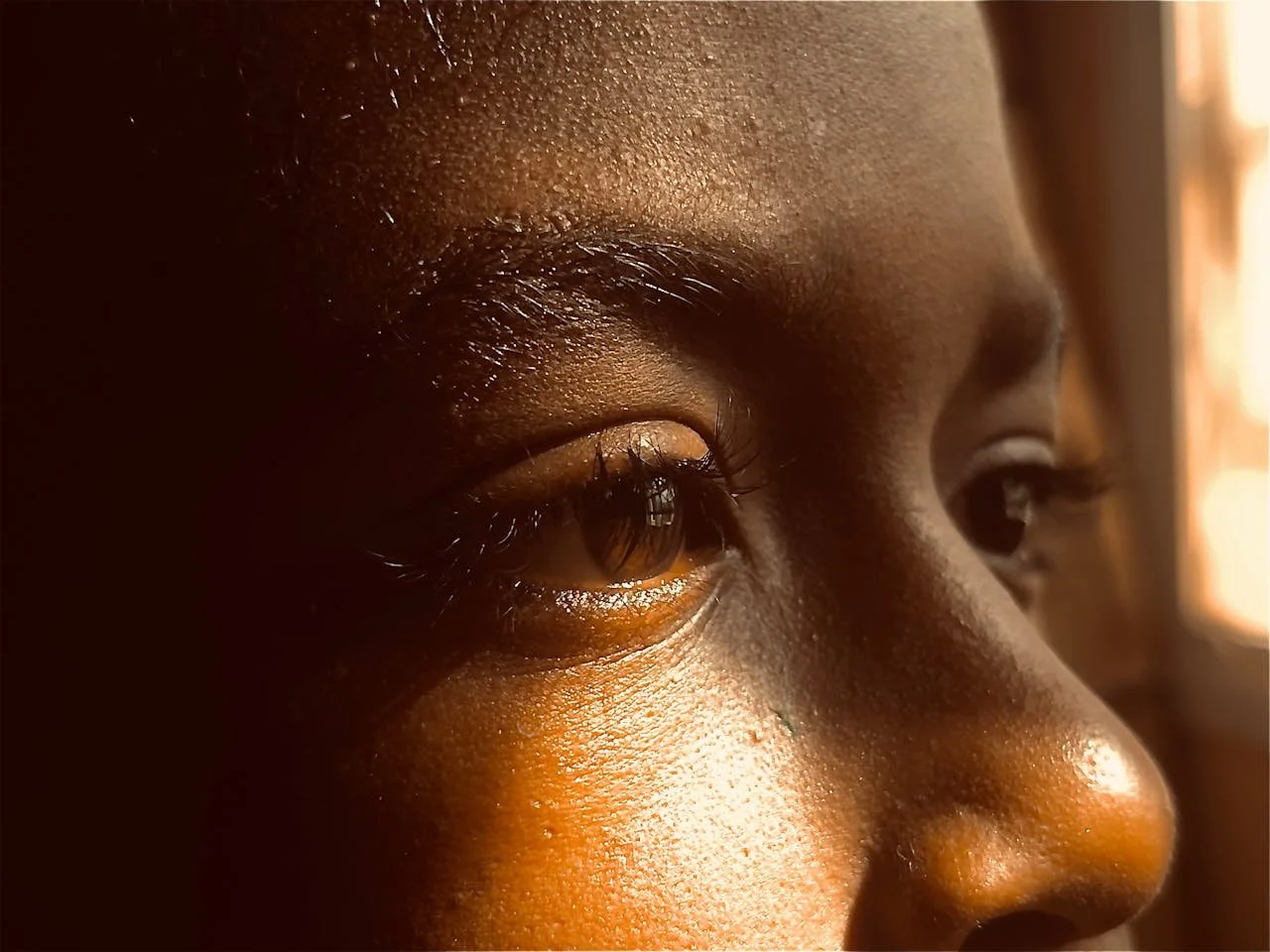
When a child reports seeing a deceased relative, the most important thing isn’t finding an immediate explanation. It’s making sure they feel safe enough to keep talking about the experience.
Our daughter went through a period of recurring dreams about a large man in a hat who made her nervous. She couldn't tell us much beyond that: big, dark, wore a hat, came around at night. She wasn't terrified exactly, but it was unsettling enough that we noticed, and eventually we decided we needed to figure out what was going on.
Why the Internet Is the Wrong First Move
The problem with the man in the hat was that we had no idea who he was, and after a few Google searches it wasn't long before we came across stories of "the Hat Man," an entity reported by many people whose intentions, according to the internet, are questionable at best. We are not experts. We did not handle this with a great deal of calm. I set boundaries with this spirit in terms I won't fully repeat here, with a level of aggression that in retrospect was probably unnecessary. I may have promised an unrelenting campaign of expert exorcism-adjacent warfare. Well, I wasn't subtle about it.
It turned out to be my wife's grandfather.
We found this out through our family therapist, who also happens to be psychic and was able to do some spiritual digging on our behalf. Grandpa George, apparently, had been visiting our daughter for tea parties and conversation. He's a larger man, was in life, and had developed an affinity for fancy hats in whatever comes next. From our daughter's limited description of "big dark man in hat," we had constructed an entire threat. Our therapist eventually let me know that Grandpa George had asked me, specifically, to calm down, and I sheepishly and politely apologized to my wife's deceased grandfather. That was a new experience.
What We Actually Learned From It
There are a few things this story illustrates that might be useful.
The first is that a child's description is always incomplete, and the gap between what they can describe and what's actually happening can be significant. Our daughter wasn't frightened because something dangerous was present. She was describing a large unfamiliar presence the way a five-year-old would describe any large unfamiliar person: with some unease and very few details. That's a child telling you what she sees, not a reliable threat assessment.
The second is that accounts of entities and spirits online skew toward the alarming, and most experiences that families actually report are far more ordinary — and often, like ours, they turn out to involve someone the family already knows.
The third is that who the spirit is matters, and that identification takes more than a quick description from a child. It takes time, calm, and often a more experienced perspective than most parents have available immediately. If you have access to someone, a spiritually-informed therapist or a trusted intuitive, they can often provide context that changes the entire picture.
What to do in the moment: stay calm, listen without leading, ask what the person looked like and how your child felt. Don't search the internet before your child is settled. And if the experience needs to be addressed directly, calmly stating that your space is your space and visitors need permission is usually enough to give the child a sense of safety while you figure out what's actually going on.
Grandpa George, for what it's worth, was asked to limit his visits to appropriate hours and to make himself known in a less ambiguous way. He has apparently complied, and we occasionally wonder what the tea party conversations were about.
Frequently Asked Questions
My child says they can see my deceased parent. What should I do?
Start by listening without leading the conversation. Ask what the person looks like, what they say or do, and how your child feels when they're around. Avoid Googling descriptions of spirits before your child is calm and settled, because what you find will usually be more alarming than what's actually happening. If the description matches your loved one in specific ways your child couldn't have invented, take that seriously.
Should I tell my child who the person might be?
Be careful about naming the person before your child has described them fully, because once you introduce a name or details, you can't un-introduce them. Let your child describe what they're experiencing first, then see how the description matches. Verification works better when the child's account is gathered before you share what you know.
Looking for More Support?
The Raising Psychic Children course was created for parents navigating intuition, emotional sensitivity, spiritual experiences, and the uncertainty that often comes with them.
Disclaimer: This article is intended for educational purposes and reflects experiences commonly reported by families raising intuitive children. It is not a diagnosis or substitute for professional medical or mental health care.